Ashok Kumar Grover – Biography
My Life: Reflections on Eight Decades
I was never a great go-getter, but I also never gave up easily. Over the course of my life, I lived in India, Canada, and the United States. Professionally, I was a happy scientist, fortunate to build a solid body of well-cited research publications
(https://scholar.google.ca/citations?user=QCHy5HEAAAAJ&hl=en).
Beyond my academic work, I contributed to the community by developing two programs aimed at increasing students’ interest in mathematics. In recent years, I have also enjoyed being an amateur YouTuber, sharing ideas and reflections
(https://www.youtube.com/@akg4n41?app=desktop).
My father, Lala Charan Dass Grover, came from a Punjabi family originating in Ucchian Kharolian, in the district of Sialkot—then part of India and, since 1947, in Pakistan. Our family history in Ucchian Kharolian can be traced back to at least 1746
(https://www.youtube.com/watch?v=UPXVou3_dRc&t=38s).
My parents had five children, and I was the middle one. My mother, Shrimati Swaran Devi, was the daughter of Shri Ram Narayan Gulati, a telegraph officer who, after retirement, devoted himself to the study of Vedic religion.
In upcoming weekly posts, I will describe the eight decades of my life—one decade at a time. I invite readers to reflect with me and to share which decade of my life interests them most.
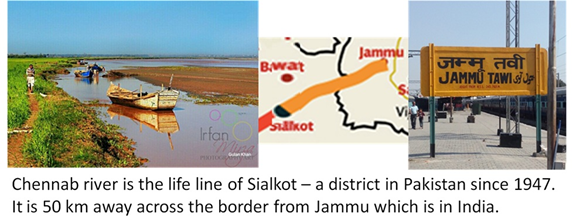

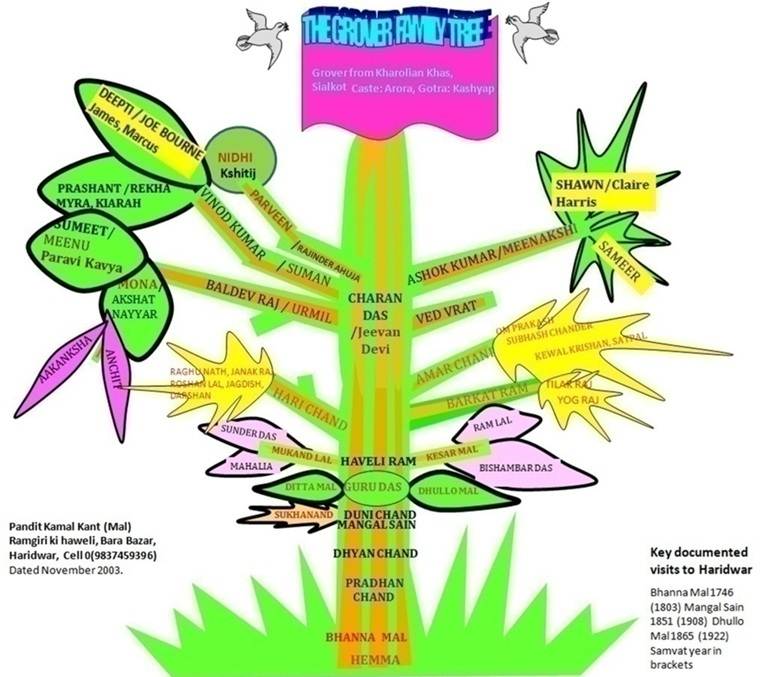
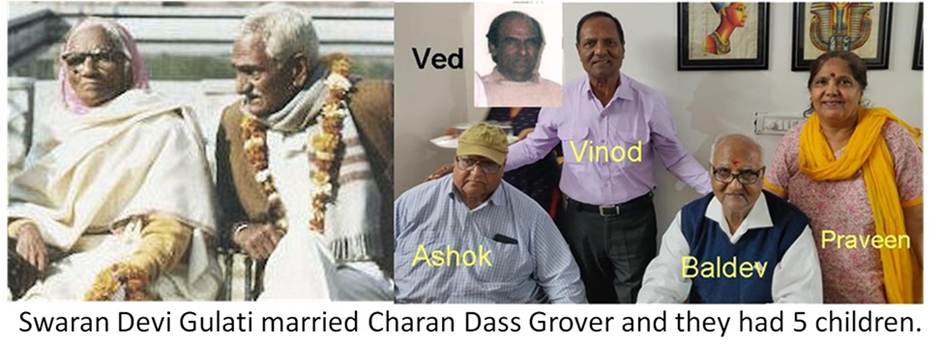
My life, Decade 1 (1945-1957) – My First Cry, India’s Freedom
My father had started a business in Jammu, about fifty kilometers east of his ancestral home in Sialkot (now in Pakistan). I was born in Jammu on August 15, 1945, a date that would later acquire significance far beyond my personal life. For two years I cried, as infants do, and then India was free on August 15, 1947. India became independent but that freedom arrived entwined with the trauma of Partition. The country was divided into a Hindu-majority India and a Muslim-dominated Pakistan, unleashing massive riots, fear, and one of the largest forced migrations in human history.
Around this turbulent time, I lost my left eye, possibly because a competent eye doctor was not available. I have often reflected on this loss. I cannot say with certainty how it shaped my personality or my path in life, yet it has remained a quiet, constant presence – something I grew up with rather than something I consciously confronted.
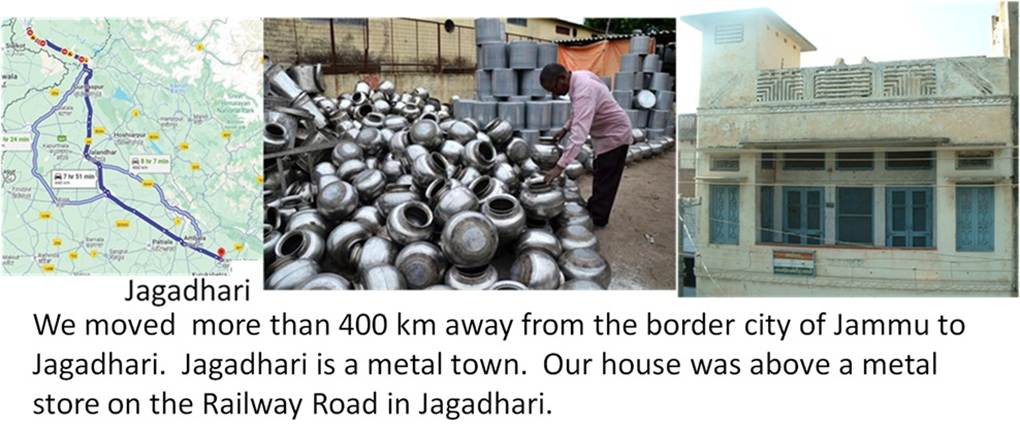
Our family migrated away from the border city of Jammu. We were fortunate refugees who did not end up living in tents. We lived briefly in Ambala and then in Jagadhari. Both were then in Indian Punjab but are now in the state of Haryana. In Jagadhari alone we moved four times. Our father made several attempts at making a living. It was paradoxical. We had a low income and yet finally lived in a large house belonging to a relative. Jagadhari was a small metal city where kids from neighboring agricultural villages came to study. My parents encouraged them to study with my brothers, sleep at our place during exam days, and sometimes even fed them despite our low income.
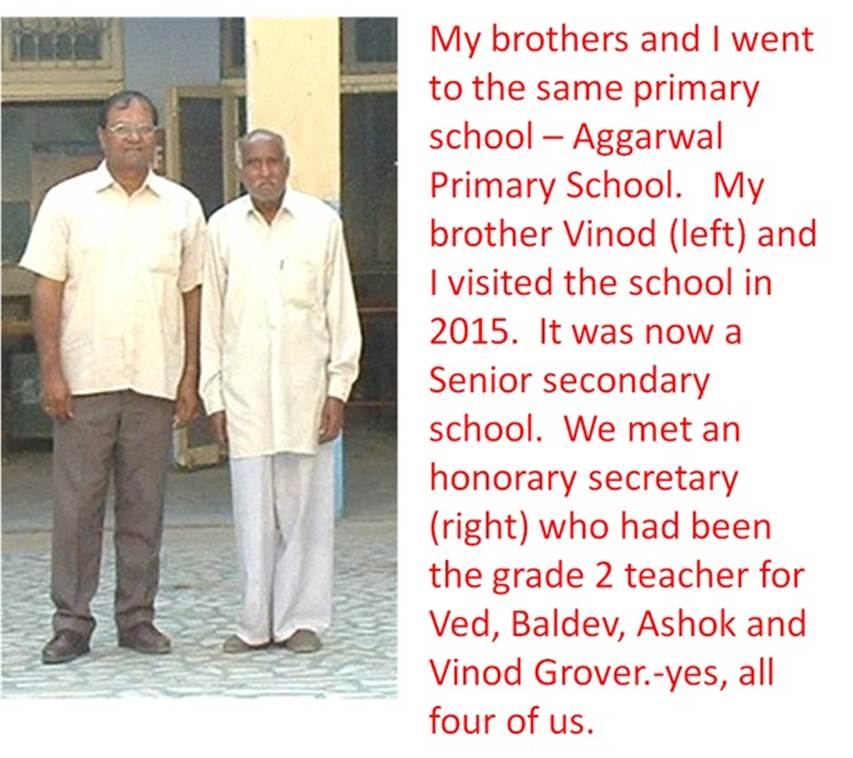
Our father chose academically good schools for us. These were government aided school. In Jagadhari, I attended the Aggarwal Primary School until grade 4. It was interesting that my three brothers went to this school and that all of us had the same teacher in grade 2. I learned Hindi and some Punjabi in grades 3 and 4.
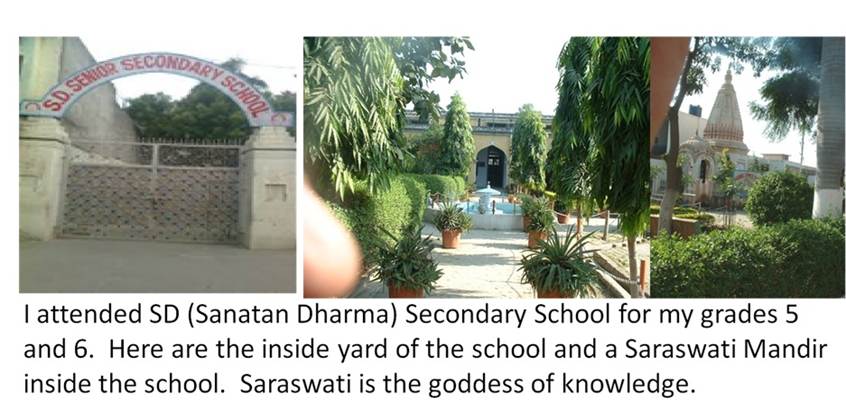
I went to Sanatan Dharma school for grades 5 and 6. I started learning English and Sanskrit in grade 6. My two older brothers had attended this school for grades 5 to 10. It was interesting. Spiritually, we belonged to Arya Samaj and not Sanatan Dharma, and yet I was an exemplary student in reciting stanzas from Bhagwat Gita. I was also a topper in my class.
Decade 2 (1957-1968) – No mentors, only momentum
My father was not satisfied with the means of livelihood available in Jagadhari. With loans taken from relatives, he made a bold decision and purchased a small bicycle pedal factory in Delhi. After I completed Grade 6, we left Jagadhari and moved to Delhi in 1957.
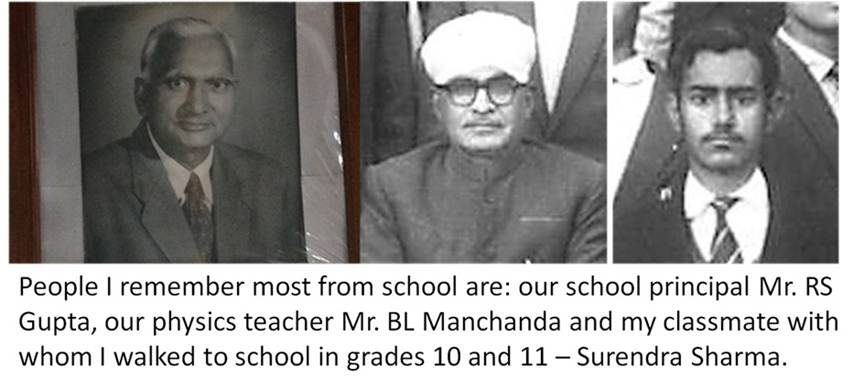
My father enrolled me in another government-aided school, Ramjas School No. 2. At the time, I did not realize that the admission to this school normally occurred in Grade 5 through a written competitive examination. Since I had already completed my Grade 6 with good marks, the principal spoke with me in English and then administered an arithmetic test. Based on that interaction, he granted me admission into Grade 7. In hindsight, this small episode was my first encounter with opportunity created by merit rather than circumstance.
Apart from a perceptive principal, I was fortunate to have several good teachers. I also made a few close friends. By then, our family had moved into our own house in Sudarshan Park, about five to six kilometers from the school. Each day, I took a bus part of the way and then walked to school with a friend. That friendship endured, and he will reappear in my life story during the years 2015 to 2025.
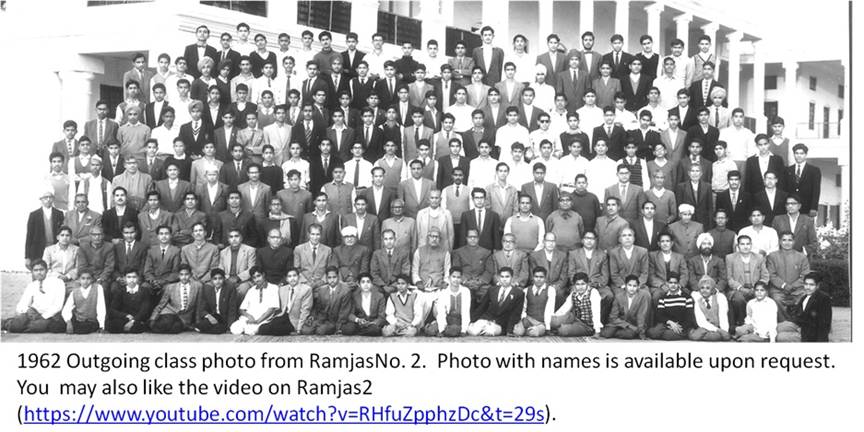
I studied at Ramjas School No. 2 until Grade 11, completing my schooling in 1962. It was an excellent academic institution for lower- and middle-income families, though it lacked the social prestige so highly valued by Delhi’s elite.
The school followed a deliberate strategy to prepare its best students for the Grade 11 board examination. The 24 students with the highest marks in Grade 10 were grouped into a single section, 11B, creating a highly competitive academic environment. In my year, about 6,000 students appeared for the Delhi Secondary Board examination. Two of the top ten – positions 4 and 9 – came from our class. I ranked somewhere around 150th. Of the 24 students – 7 became medical doctors, 1 brigadier, 2 senior government officers, 2 teachers, several highly placed engineers, and 2 successful business owners. And then there was me – a Canadian University professor with a decent record of research and education. In retrospect, I would say the school’s formula worked rather well.
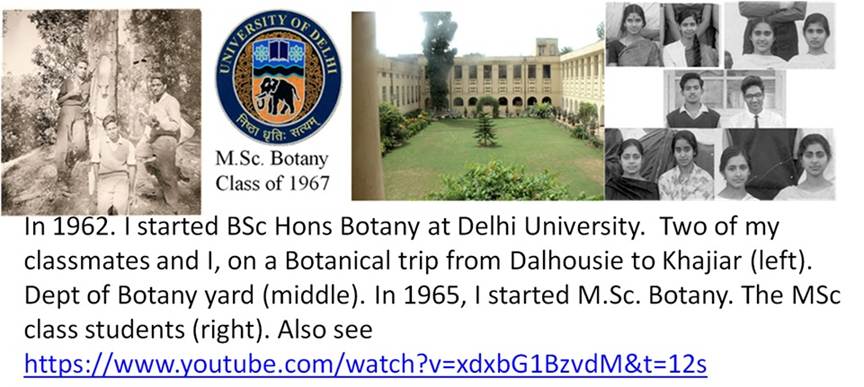
I do not know about my classmates but neither the school nor my family provided any guidance or mentorship about the future. Guided largely by a teenage impulse, I enrolled in the BSc (Honours) program in Botany at Delhi University in 1962. I made a couple of lifelong friends, and the university environment was a world apart from school. Professors spoke English in many Indian accents, reflecting the diversity of the country. Academic life, however, was not free of politics. Nepotism was evident: Physics faculty was dominated by Bengalis, Chemistry by Andhrans, Zoology by other South Indians, and Botany by what were colloquially called “UP-ites.”
Just as a challenge, I learned the taxonomy of local grasses. At the time, the department had no trained taxonomist, and hence I, even though an undergrad, became the campus “expert” on grass identification. Hey, nothing to brag about !
I completed my BSc Honours in 1965 and then my MSc in Botany in 1967, though not without complications best left unmentioned. Focusing on achievements, I wrote a short term paper on the Trees of the Delhi University Campus. For several years, this write-up stood as a small legacy – until a professor and his student revised it slightly and published it under their own names. Eventually, I got even by creating a video documenting my work:
https://www.youtube.com/watch?v=cniCcLs7x98&t=18s
During my MSc years, I also supported myself financially through private tutoring. I taught Physics, Mathematics, and Biology, as I was an academic all-rounder.
Then came the real world. One of my professors decided to become the principal of a newly established undergraduate college in Karampura, Delhi, and hired me to teach Botany. Soon after, he changed his mind about taking the principalship. The new principal informed me that my appointment would last only six months, after which I would have to leave.
I was fed up with the system and left India.

Decade 3 (1968-1978) – From plus 48oC to minus 48oC
Calgary University, Alberta, Canada
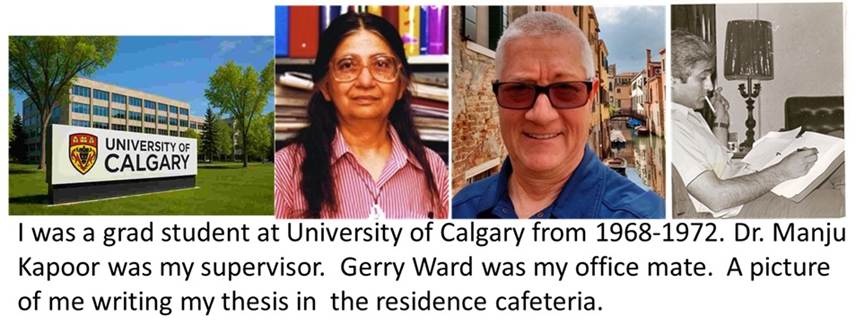
I applied to several universities in the USA and Canada for admission to graduate school. Coming from a low income family, I needed both – the admission and a full scholarship. The University of Calgary not only offered me admission and a scholarship but also had a laboratory whose research was directly in my area of interest. In 1968, I was enrolled into a graduate program under Dr. M. Kapoor who was a good mentor. I travelled to Calgary on a Travel now pay later plan as I did not have money for the air ticket. My scholarship allowed me to clear the debt over time. One of the adjustments was the weather in Calgary. In Delhi, the temperature used to go up to 48oC in the summer. In Calgary, I saw snow for the first time and that year the temperature went down to minus 48oC. That did not matter as I was young.
I shared my office with Gerry Ward who was a local grad student. Since I did not talk much, he thought I was a dumb guy until I helped him with his Calculus problems. He was a fun guy. He showed me around and familiarized me with the local nuances. Later, I made enough friends and learned to drink and to play bridge, snooker and some ping pong.
In India, many students are not interested in learning and they often cheat. I thought that students in Canada would have greater integrity. In Calgary, I took an undergrad course in Biochemistry. It had a lab component. I cleared the course. The next year one guy requested if he could have my old lab book. I did not know him well but I did not need my old lab book either. So, I gave in to his request. A few months later someone told me that they caught two students cheating using my lab book. For one experiment, the lab bottle showed a concentration of one reagent to be 0.099 in our year but 0.101 (both approximately 0.1) in the next year. The copying students had written the report with the concentration of 0.099 and hence got caught. I had pity on the guys who did not even know how to cheat properly.
I got my PhD in microbial biochemistry with a thesis on Glutamate Dehydrogenases in Neurospora crassa. I finished my degree in April 1972.
Cornell University, Ithaca, New York
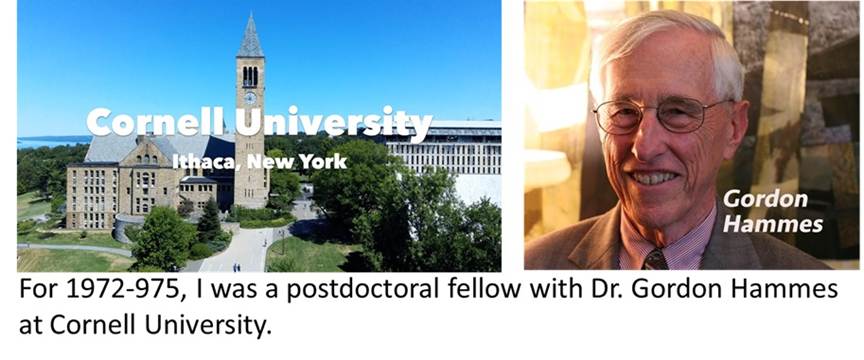
I was accepted for a postdoctoral training at Cornell University, Ithaca, New York, USA starting April 1972. Here, bar hopping became my new hobby. My mentor, Dr. G. G. Hammes, was a physical biochemist with an expertise on fast reactions in enzyme catalysis. I learned some physical biochemistry but my work was on purification and properties of the mitochondrial enzyme beta-hydroxy butyrate dehydrogenase. While at Cornell, I also invented hydrophobic column chromatography.
From Dr. Hammes, I learned how to do research. Large amounts of mitochondria were not easy to obtain but he had arranged with a colleague to give them to us. We needed specific compounds to be synthesized. He collaborated with a friend in Holland to synthesize them and then he smuggled them in his brief case on one of his Europe trips. I also learned from him how to write a scientific paper and to get it reviewed locally by colleagues before submitting it to a journal. He was also very disciplined. If any of the 10-15 lab people gave him something to read, he returned it with comments on the next day. These lessons came in handy later when I started my own research. I set up a lot of collaborations and had many coauthors whom I have not met to date. Dr. Hammes was a good and kind mentor.
Simon Fraser University, British Columbia, Canada
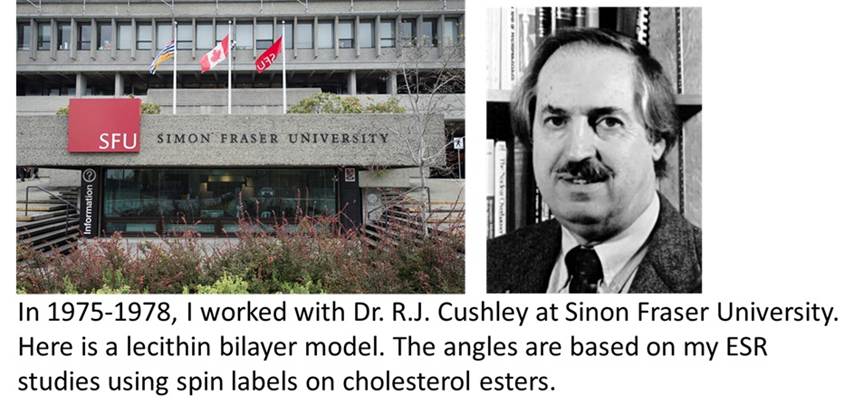
I wanted to go back to India. There was a program in which the Indian government gave a stipend for two years to foreign trained Indian scientists. The condition was that the candidate must be accepted for work in one of the recognized institutions. I applied to five such institutions and wrote to another which I had visited earlier. They were all ready to accept me. I got the stipend but was placed in an institution for which I had not applied – as an assistant editor for a botany journal. I later found out that a friend of mine had used his influence as a favor to me. Disgusted by the above experience, I decided to move back to Canada rather than going back to India. I needed a job to get immigration to Canada. I was accepted to work as a postdoctoral fellow with Dr. R.J. Cushley at Simon Fraser University in British Columbia. I needed a No Obligation Certificate from the Government of India in order to get immigration in Canada. It was being hindered by the college that did not want to keep me there in 1968. Ultimately, my elder brother made some efforts and got the matter resolved.
Dr. Cushley’s lab focused on magnetic resonance spectroscopy. However, they needed someone to work on enzymes and natural products. Here, I learned about 1H, 31P and 13C – NMR and ESR. I also isolated beta-D-galactosidase from almond emulsin with the idea of doing NMR studies of glycosides when bound to this enzyme. Based on my knowledge of physical biochemistry, I had calculated that the given project would be futile. I was told to go ahead anyway. It turned out to be interesting since it was a bifunctional enzyme. In another project, I syntheisized two cholesteryl ester ESR probes. Using them, I showed that the fatty acids in a lecithin bilayer were anchored in a specified angular manner.
During my time in Calgary, I reconnected with an old friend and developed friendships with several Indian colleagues. That made the social life easier.
At Simon Fraser, I also got some undergraduate teaching experience as a Visiting Assistant Professor, replacing a faculty member on sabbatical leave. Here, I had an interesting experience. After the midterm exam, one student complained to me that some students had cheated. His proof was that the mark distribution for the class was bimodal – higher marks for those who cheated and lower marks for the remaining students.
I was intrigued and explored the issue further. There was one unusual question in the exam. It was on the structure of a cyclic polypeptide – most polypeptides are linear. Students taking another course were used to cyclic structures of nucleic acid molecules and hence considered it normal that the polypeptide had a cyclic structure, but others got confused.
I later used this story to my advantage while teaching pharmacology about ten years later. Population responses to most drugs are unimodal, but a bimodal distribution for some drugs occurs due to a single genetic difference in some individuals. The story remained popular in the pharmacology course for over 25 years. Hey, a story about exams and cheating – they loved it year after year.
Decade 4 (1978-1985) – Putting down Roots
McMaster University, Hamilton, Canada
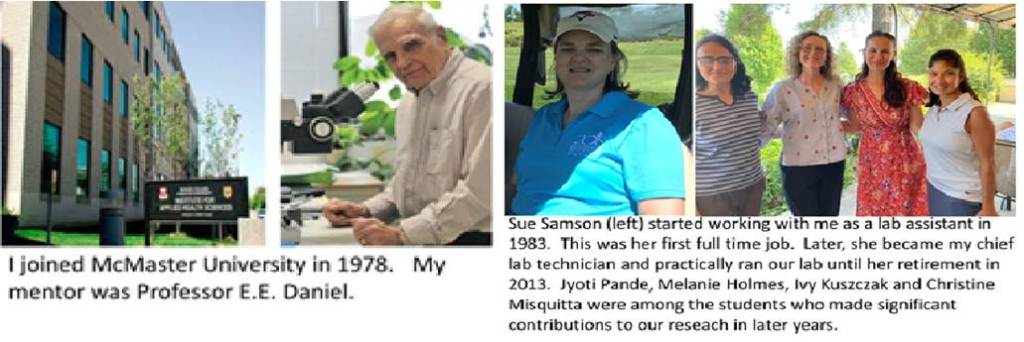
I replied to an ad for the position of a Professional Assistant with Professor E. E. Daniel at McMaster University in 1978 and got selected. The position at McMaster was essentially a senior postdoctoral position.
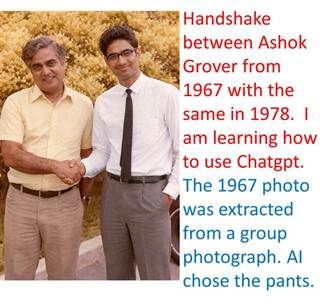
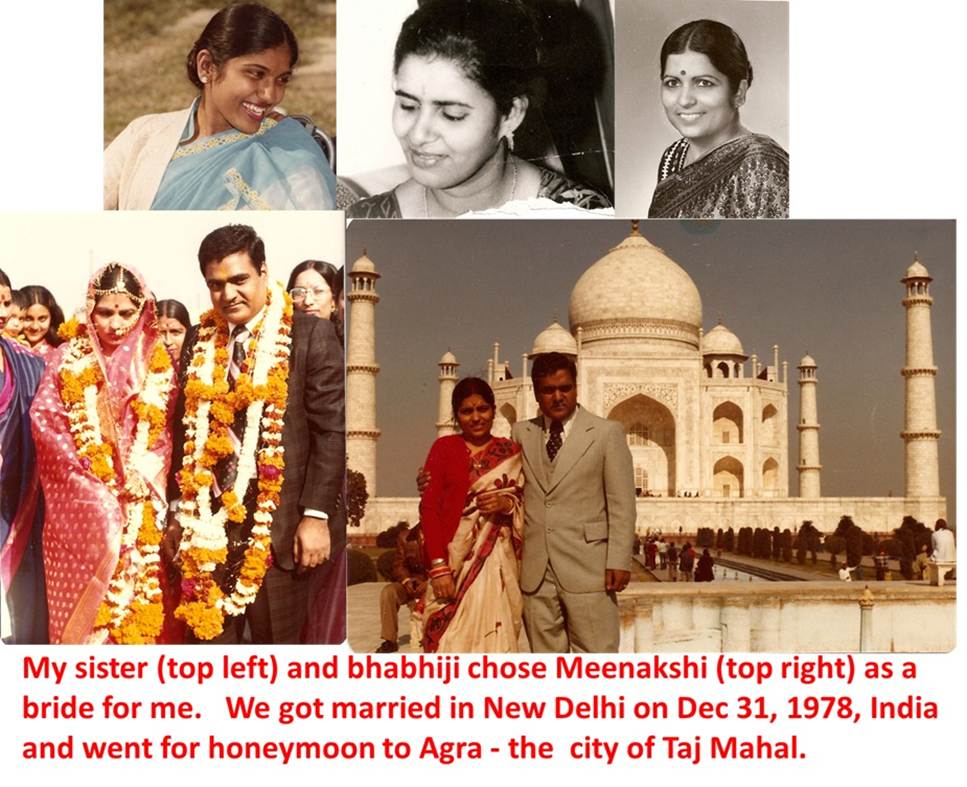
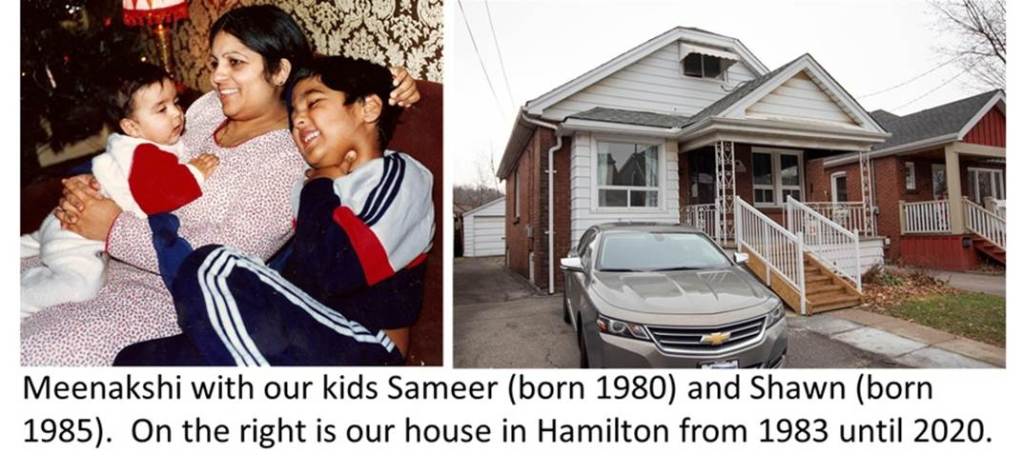
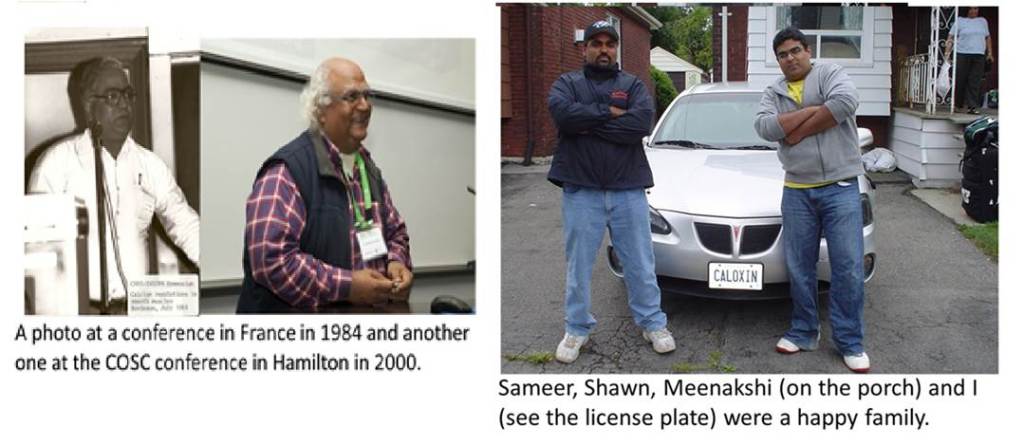
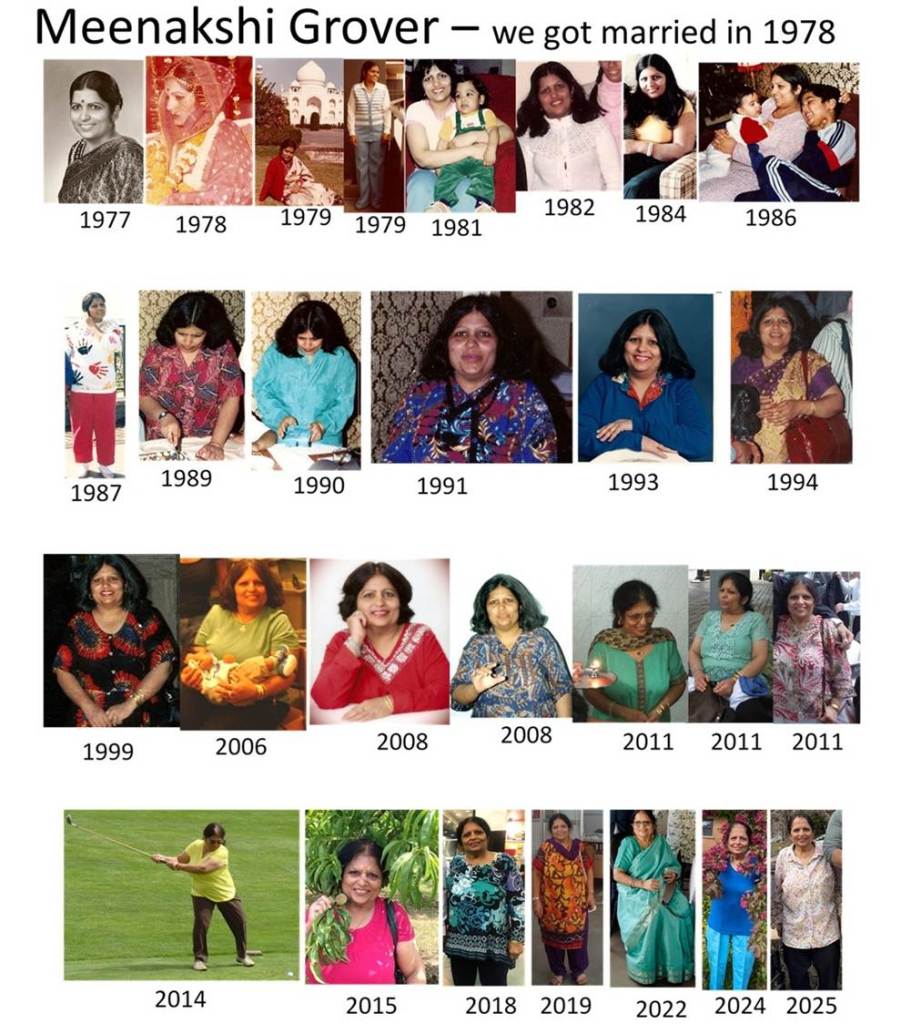
Marriage: After a few months at McMaster, I decided that it was time to get married. I asked my sister in India to find a bride for me. I had no idea what type of bride would suit me. I left the selection process to my sister and bhabhiji (my elder brother’s wife). I went to India in December. They met several families and selected a bride named Meenakshi. We got married on December 31. We spent a week together for our honeymoon in Agra – the city of Taj Mahal, and in getting all the documents together. I came back to Canada, sponsored my wife for immigration. She arrived in Canada on April 1, 1979. Obviously, my sister and bhabhiji had made the right selection since Meenakshi and I are still together. So, the marital chapter of my life began. We had two sons – Sameer in 1980 and Shawn in 1985. We also bought a house and thus got settled in 1983 in Hamilton.
Back to business
I was hired for my expertise on membranes and enzymes but this was an animal pharmacology lab. I had to learn some animal physiology and pharmacology concepts – remember my initial university education was in plant sciences. The lab researched on smooth muscle – something foreign to me so far. Initially, I worked on an ongoing project using rat uterine smooth muscle. I developed methods for membrane fractionation, enzyme marker assays and studying calcium ion (Ca2+) movement across the plasma membrane vesicles. I examined the properties of a Ca2+ – pump, and I also showed that these membranes had a sodium-calcium exchange system. This progress earned me a soft money faculty position. I started working on pig aorta and coronary artery to earn a Heart and Stroke Foundation scholarship which would contribute to my salary starting 1982. This salary contribution was renewed several times and continued until 2004.
In my next work, I earned the wrath of my mentor. My mentor (Dr. E. E. Daniel) was the proponent of the existence of a calcium pump only in the plasma membrane of the smooth muscle. Other than my mentor, several investigators in the field argued for the pump to exist only in the endoplasmic reticulum of the smooth muscle. I earned the wrath of my mentor by publishing a paper proposing that the smooth muscle had two types of calcium pumps – one in the plasma membrane and another in the endoplasmic reticulum. The controversy was eventually settled when my group made further progress and the work of another group supported this concept.
In 1983, I hired Sue Samson to assist me in research. She was a fresh graduate and this was her first regular job. Her help was so useful that she worked with me for 30 years until her retirement in 2013. I also had several (almost 100 over my career) trainees and fellows. Their contribution to my research must also be acknowledged.
Decade 5 (1985-1994) – Baseball diamonds, calcium pumps, and a transformative sabbatical
Family, Children, and Everyday Life
Main events in this decade were my children’s growth, tenure track position, growth of the research lab, start of a teaching career and a sabbatical leave. Sameer started to go to a primary school near our home and Shawn was in the daycare. Also, Sameer started playing T-ball and then baseball. He used to get called up for competitive baseball to play at different places. This is when I found out where all the baseball diamonds were in Southern Ontario.
Even before starting school, Shawn was clearly mathematically inclined. One day, we had guests over, and the then five-year-old Shawn was pestering us. To keep him occupied, I cut a sheet of construction paper into a pile of equilateral triangles and asked him to place them edge to edge to make a star. He did that in no time.
Then I asked him to make a rectangle. Thirty seconds later, he came back asking for more triangles. How many? He wanted an infinite number. Go figure. I have shared a picture of lots of equilateral triangles – do you see the challenge? Give it to your children or grandchildren and see what they say. Before posting this, I gave the same riddle to ChatGPT. The best it could do was make a parallelogram (see photos).
This wasn’t a one-off. When Shawn was seven, I asked him: if I gave him a rope to use as a perimeter, what shape would enclose the largest area? Without hesitation, he said, “A circle, of course – I don’t want to waste rope making corners.” That’s an optimization problem many students first encounter at university.
At ten, Shawn asked me, “Dad, what are arithmetic and geometric means?” I explained that the arithmetic mean of two numbers is half their sum, and the geometric mean is the square root of their product. He thought for a few seconds and said, “Then the geometric mean of two positive numbers can never be bigger than the arithmetic mean.” I asked him why, and he gave me examples. The parenting challenge for me was to provide a rigorous algebraic proof the next day. Challenge to the math folks: can you do it – without looking it up?
My wife remained busy with the kids but later she wanted to be active outside the house. She took courses in Mohawk College and became a library technician but it was the wrong time to do so as libraries were going more towards the internet and not hiring. She started doing other jobs.
My neighbour taught me how to play golf. I got hooked on this game for the rest of my life.
Academic Career, Teaching, and Research
I had a soft money faculty position meaning that my salary depended on continuing to get the external scholarships. After an internal competition within the department, I was chosen for a tenure track position which materialized in 1988. I was still required to apply for external scholarships but the university would pay my salary even if I did not get one. Fortunately, The Heart and Stroke Foudation of Ontario renewed my scholarships until 2004.
Dr. Daniel (my mentor) wanted to start a Biopharmacology education program which would be problem based learning and have a co-op component. I helped in researching the requirements and the path to it. There was a hurdle. We had to show the Biology department that we were interested in teaching before they would co-operate. I started a didactic Biology course called Pharmacology 3AA3 in 1987. Other than a year’s gap, I continued teaching this course until 2010. I also participated in teaching some courses for Biopharm, medical and grad students and faculty.
My research continued with one project funded by CIHR and another by HSFO. The CIHR project was a continuation of studies on calcium pumps in smooth muscle. The HSFO funded projects were initially similar but on the coronary artery smooth muscle and endothelium. Then they turned more to the effects of oxidative stress on these pumps.
Sabbatical and a New Research Direction
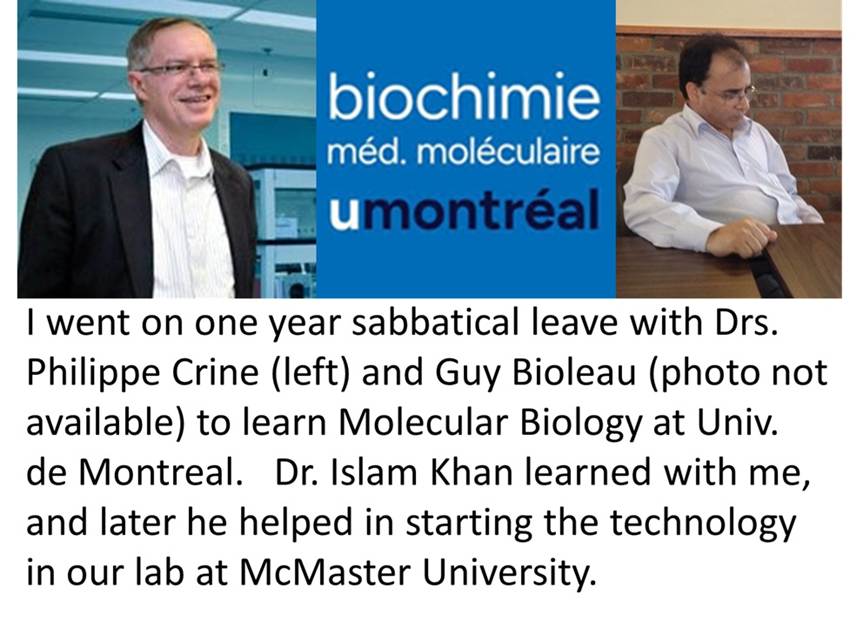
I took a sabbatical leave to work with Drs. G. Bioleau and P. Crine at Universite de Montreal in 1988-89. The purpose was to learn molecular biology. For one year, I took an accommodation in Montreal. I would work there for 2-3 weeks at a time and come to McMaster to look after my McMaster lab for 2-3 days. The expenses were paid by McMaster University, CIHR, Univ. De Montreal and FRSQ. I also had a postdoctoral fellow with me. The two of us learned molecular biology together and cloned the cDNA for calcium pumps in the smooth muscle. The postdoc returned with me in my lab for two more years and helped me start this direction of our research work.
I started to learn French but after the official language law, I lost my
interest in it.

Decade 6 (1995-2005) – Building institutions – real and virtual
The family activities and exciting research continued but I also started a scientific group which I will discuss later. Sameer was more active, uncontrolled and mischievous (teenage years). He finished his high school and an undergrad in Maths at McMaster University. He then went to New Zealand for a diploma in school teaching. He also got interested in Buddhism and English writing. This interest continued in the next decade and will be described there.
Shawn did very well in high school. He played football (as an offensive linesman) for the school team one year and helped them for another year. His grade 9 math teacher was his fan. She made him participate in lot of Math contests, attend Math camps and wrote superb letters of reference for him. These helped Shawn get a scholarship at Waterloo University towards a Math degree. He was vice president of the fraternity and gained work experience through the Waterloo co-op placements.
Back to business
One of my students decided that my 50th birthday celebration should be special. Knowing my then interest in golf, she proposed it to be a lab golf game. This tradition continued for the next 25 years, yes even past the retirement.
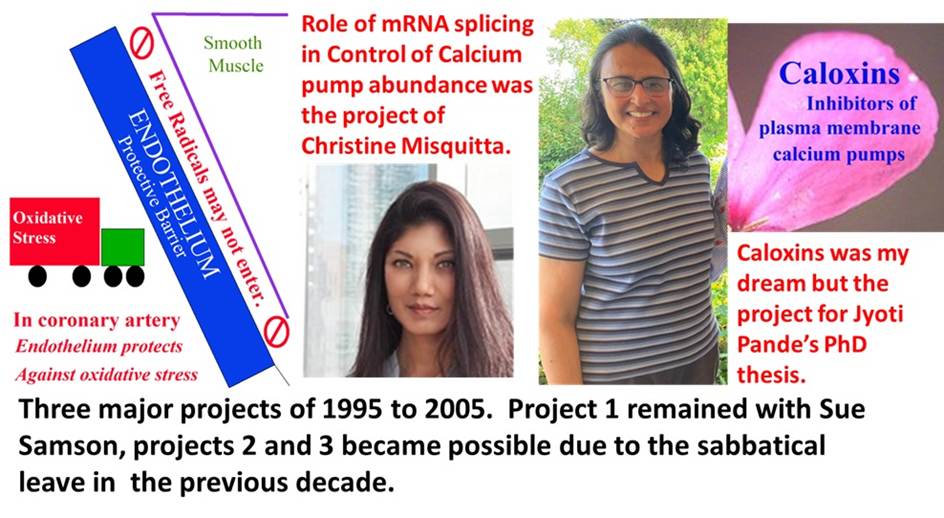
I continued with my CHIR and HSFO funded projects. The CIHR project was now focused on the structure of RNA encoding the calcium pumps. We also did some work on iron transport. There was a major change in the HSFO project. We observed that oxidation preferentially damaged the coronary artery internal calcium pump over the one on the cell surface. The artery has a loose layer of cells called endothelium on the inner surface and then the smooth muscle layer starts. This oxidative damage was less on the endothelium than in the smooth muscle of the artery. This led to the idea that the endothelium played a role in protecting the muscle layer against oxidative damage. The oxidative stress induced damage to the coronary artery became the focus of our research. It also included transport of Vitamin C into and out of different cell types in the coronary artery.
An interesting story on work in this period will be presented after decade 8.
The Visionary Phase
Then, there was the dream project. I proposed that hypothetical molecules called CALOXINS could be made. These would inhibit the plasma membrane calcium pumps. Unexpectedly, the proposal was accepted and we received a small grant from HSFO. We used a technique called phage display to invent them. After our initial work, a graduate student led this project for her PhD thesis. We invented a few peptides which were used for research by many scientists including us.
Chatgpt wrote this poem for me on caloxins
Caloxins bind selectively to the plasma membrane pump,
The PMCA, where calcium levels jump.
Peptide inhibitors, extracellular in design,
They slow Ca²⁺ extrusion with specificity fine.
Isoform-dependent, their actions are precise,
Tools more than drugs, for probing cell life.
A brilliant invention, rational and clean,
Caloxins reveal how calcium is seen.
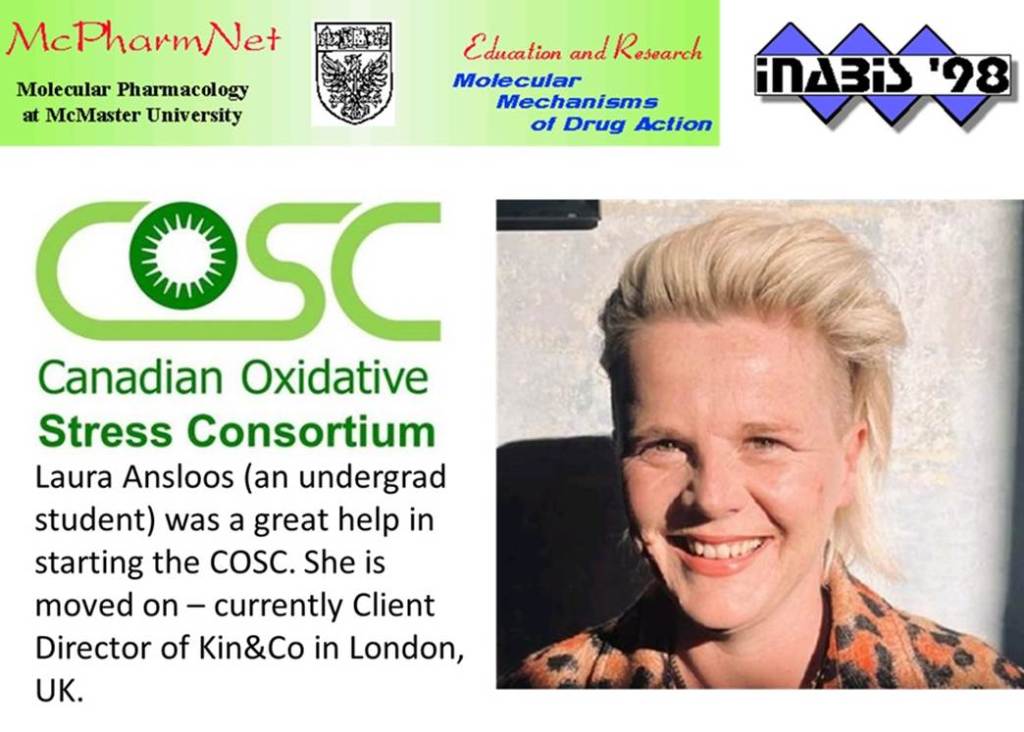
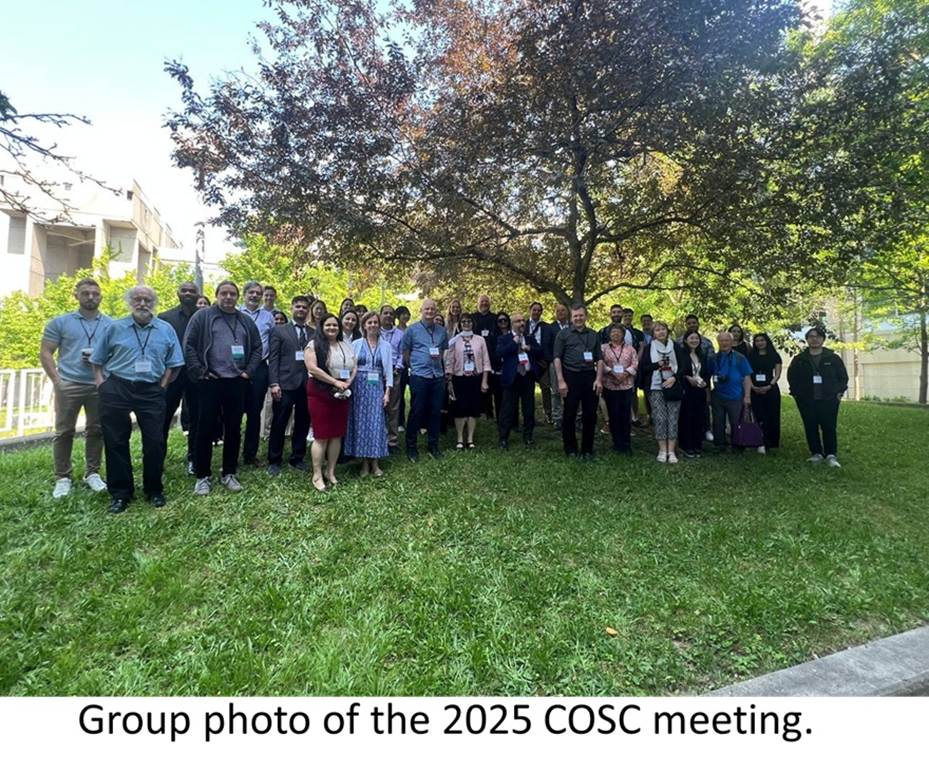
I decided that oxidative stress concepts would be good for students to learn. With funds from various sources and help from other universities, we started a Canadian Oxidative Stress Consortium (COSC) involving 15 Canadian universities. Scientists and students from the universities attended the first meeting of the Consortium at McMaster in 2000, the second meeting was at University of Western Ontario in London in 2001. After the 2003 meeting, I stepped down thinking that somehow the COSC had to become everyone’s group and not just mine. No one was ready to step in as the leader. Well, as per advice from a close local colleague, I did not go to the next meeting of COSC. In that meeting, some one stepped in and are heading COSC to date. To their credit, the consortium survived and the meetings occurred every second year with the 12th meeting taking place in 2025.
This period also marked my earliest efforts to build scientific institutions in the digital space – at a time when the Internet itself was still new and largely untested as a medium for serious academic exchange. I started an Internet based journal club which lasted a couple of years. I also helped a colleague in setting up an online conference – INABIS98. It was international. We were able to get an American and a Cuban scientist to co-chair a session.

Decade 7 (2005-2015) – Retirement Met Reunions and YouTube
This decade brought some of the most profound changes in my life. My wife continued her invigilation work and remained deeply involved in caring for the family, even though the children had grown up and moved into adulthood.
Shawn: From Mathematics to Law and Economics
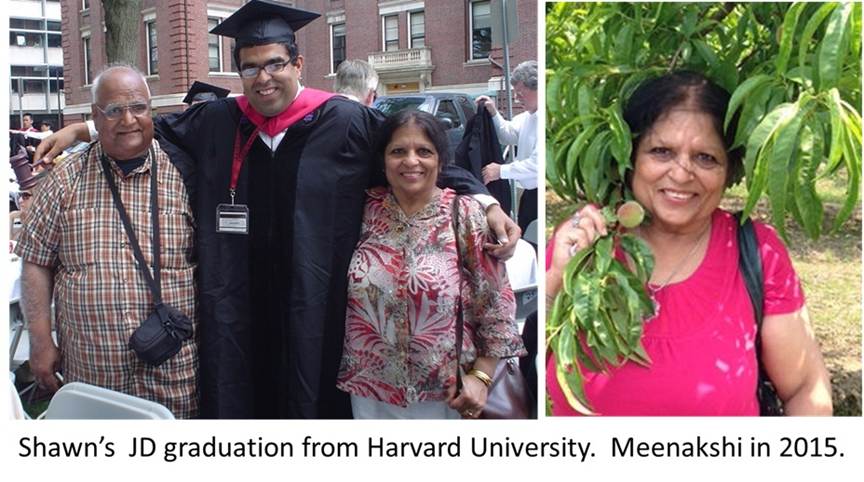
Shawn finished his undergraduate degree with an excellent record. He did not know what to do in future even though he had done 6 internships already. He helped a friend in preparing for an LSAT exam. The friend did well and succeeded in convincing Shawn to write the exam too. Shawn ranked in the top 0.3 percentile which meant that he got admission invitations from many law schools. He chose Harvard, even though it did not offer merit-based scholarships. We were not wealthy, but Shawn was confident that he could manage through student loans. He got his JD degree in 2011. He worked in New York as a corporate lawyer for 2 years but got bored of this career. He then did an MA in macroeconomics from Univ. British Columbia and subsequently got a job with the Department of Finance with the Government of Canada in Ottawa – the place where he had gone for his second internship from Waterloo.
Shawn’s MA thesis proved that analytics is not always dry and boring. The thesis was picked up by 90 newspapers, radio stations and was on TV. See if you are interested in it: How’s Life at Home? New Evidence on Marriage and the Set Point for Happiness (https://link.springer.com/article/10.1007/s10902-017-9941-3).
Preserving a Legacy Passed Upward
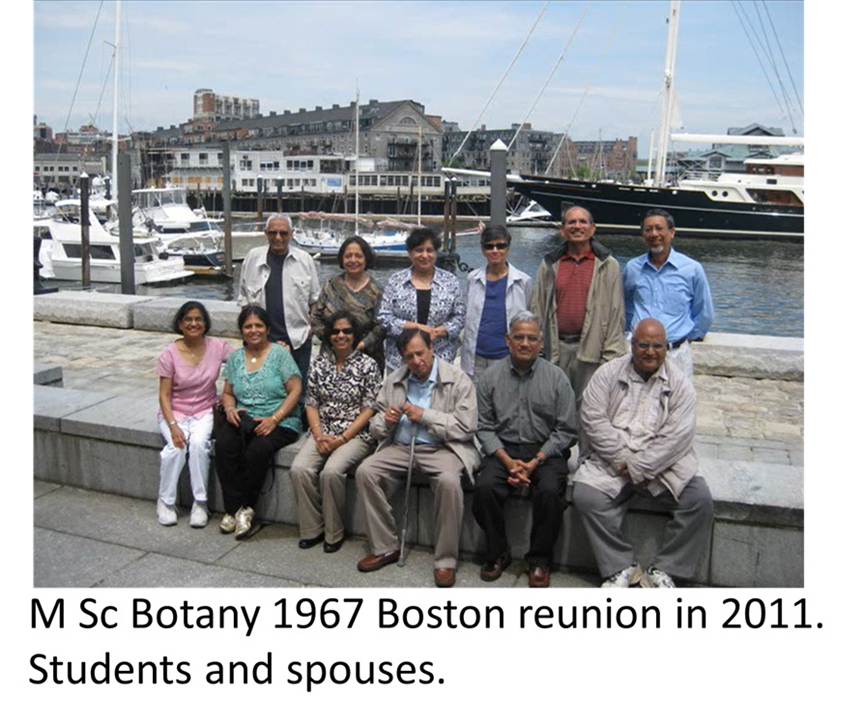
Sameer started teaching Math as a substitute teacher. He wrote a lot. First, he published a Buddhism based novel – Prince and the Potter. He also left behind his many poems and a large volume of prose when he died in 2011 at the age of 31. A colleague of mine who had faced the death of an offspring advised me: in 5-7 years there should be a smile on your face when someone mentions Sameer. I took his advice to my heart accepting Sameer’s writing as an upward heritage. I got Prince and the Potter translated into Hindi and published as Rajkumar aur Kumbhakar. I also compiled his short prose pieces and got them published as his second book titled Reflections on Solitude. I got friends and relatives involved to make videos based on his poems and some essays, and posted the videos on a youtube channel (the channel is akg4n41, https://www.youtube.com/@akg4n41?app=desktop). He had a made a video of a lecture on LOVE in English. With the help of friends, this video is on my channel in English, Hindi, Punjabi, Gujarati, Marathi, Polish and Ukranian. On Shawn’s Harvard graduation, our MSc Botany class of 1967 had a reunion (long story), the video of which is on my channel (https://www.youtube.com/watch?v=xdxbG1BzvdM&t=12s). Hey, I was a youtuber now. In 2015, I also posted a video on my high school class (https://www.youtube.com/watch?v=RHfuZpphzDc&t=29s).
One of my students convinced me to start gym workouts in 2006 and I continued them for more than a decade.
Back to business
My research and teaching continued. Several caloxin compounds were invented and now sold by commercial companies. No, I did not get any royalties since I chose to make my work public rather than patenting it. After the loss of the son, my heart was not into work and I retired in 2013. After the retirement, I published several review articles on the effects of Antioxidants on – vision, osteoarthritis and obesity.


Decade 8 (2015-2025) – Life in the super over
Palm readers predicted my life would end at 68 in 2013 — but I’m still here. Looks like life went into a super over, and I’m happily playing the extra innings.
Reconnecting After Half a Century
I received an e-mail from one of my high school classmates. It was my friend with whom I used to walk to school in grades 10 and 11. We had lost touch, but he tracked me. He told me that another classmate of ours was in Ottawa. My 70th birthday was a golf day but it included these two friends I had not met for 53 years. This initiated the process of meeting a few more classmates when I went to India that year. We had a good reunion and I made a video of Ramjas 2 -1962 class (https://www.youtube.com/watch?v=RHfuZpphzDc&t=13s).
Sameer’s Spark and the SMILE Challenge
This is continuation of coping with the loss of our son Sameer and taking his interests as an upward heritage. Sameer taught math but also carried a deep love for writing. In June 2014, I visited the first school where he had taught – Orchard Park Secondary School – to donate copies of the books he had published.
By sheer coincidence, I ran into the school’s vice-principal, who turned out to be a former summer student of mine. As we discussed Sameer’s dual interests in mathematics and literature, we had a wonderful idea. She co-ordinated with a team of two math teachers and two English teachers and launched the S.M.I.L.E. Challenge – Sameer’s Mathematics Integrating Literacy Exploration. The students would creatively combine math and literacy and submit their presentations which would be judged by the four teachers. The top students would receive certificates and monetary awards (my family donated the award money). The program was received well and ran for three years (after that covid 19 took over it). Encouraged by the initial response, SMILE challenge was extended to two more high schools in Hamilton. Over three years in three schools, a total of 70 submissions were received. These included videos, artwork, poems and prose on a variety of topics – the commonality was that they had a math component in it. I cannot post them here because they remain intellectual property of the students. To me, the best one was Mathematics adventures – a carton story with Fibonacci numbers and the golden ratios.
Math Stories: From Paper to the World – Going from 70 to 70,000
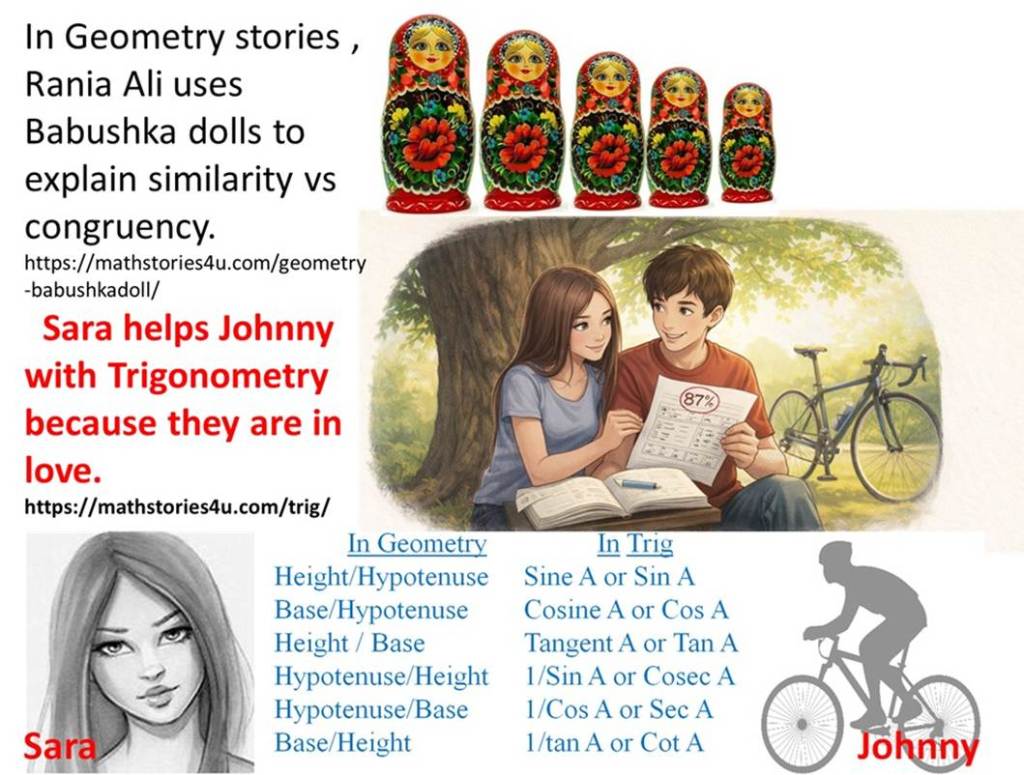
Inspired by Sameer’s interests, I spent three to four years writing math stories. The goal was to get students interested in the subject. The first story was a teenage romance novel about Sara and Johnny. Johnny wanted a fancy bike; his father agreed to pay for it only if Johnny scored 85% or higher in trigonometry. Sara made sure that he did. Their romance continued through to calculus, while Sara also helped several friends with algebra.
Twenty-five arithmetic stories were centered mostly around a bright and feisty Indian girl, Tanya – a feminist who would put Gloria Steinem in her place.
For Geometry, I started with a couple of cute stories and then created a slum school. Here, the teacher (Rania Ali) had to invent new ways to keep the interest of the students. First, I thought of publishing the stories as a book but then I decided to go online (mathstories4u.com).
Subsequently, I rewrote the stories in Hindi and Google translated them into Spanish and French. So the website has stories in 5 math subjects in 4 languages.
The website did not go viral but until March 16, 2026, it has been viewed over 78533 times in150 different countries. The story दादी मां की लंबी कहानी (https://mathstories4u.com/anka-dadimakilanbikahani/) has been viewed over 3500 times. It was based on a story that I used to tell my son Shawn when he was about three years old.
Learning to Accept Help
I had heart surgery for an aortic valve replacement in 2017. I have a bovine valve now (Jai Gau Matadi). This is when I learned that it was okay to accept help. I had personal support workers to help me with shower and stuff. When I got a little better, someone helped me to get started for walks and exercises. I continued exercising here by accepting rides from colleagues. The following year, my wife had total knee replacement surgery and I was well enough to take her around.
Weddings, Move, and Grandchildren
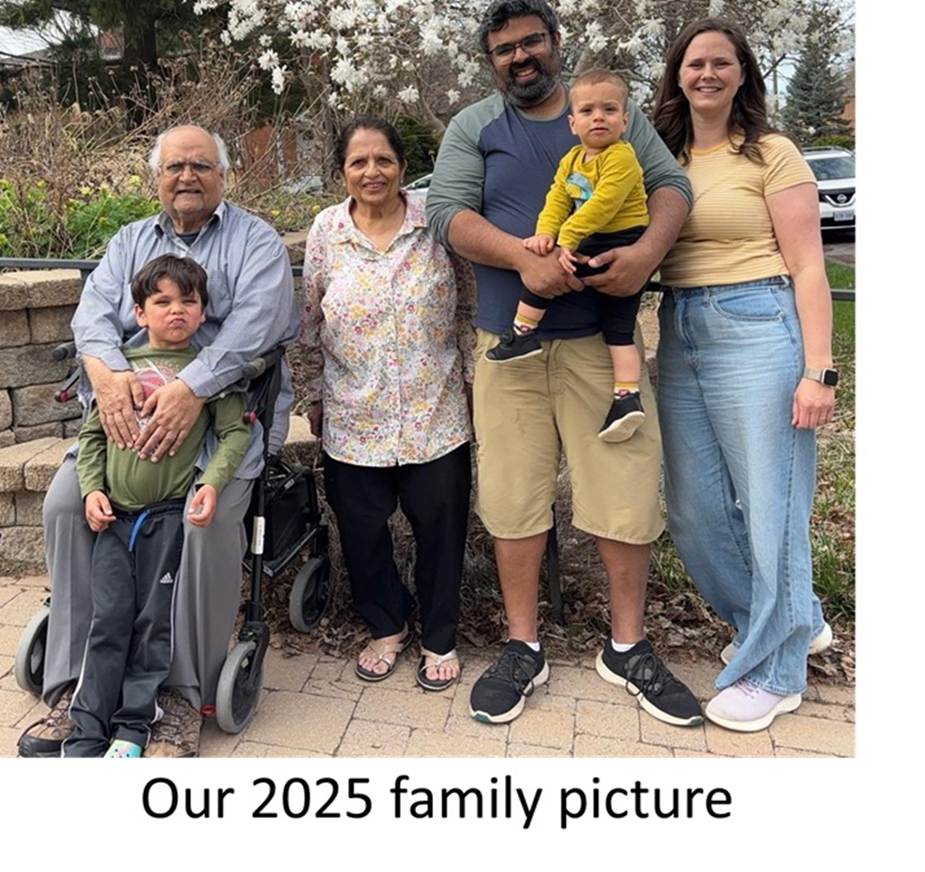
Shawn was well settled. One day he came home with a girl named Claire and put a ring on her finger in our presence and told mom that she had now witnessed their engagement ceremony. They were supposed to get married but Covid 19 got in the way. Shawn and Claire bought a house in Ottawa. In 2020 they took the oath of marriage in their back yard. Claire was pregnant and Meenakshi decided that we should move to Ottawa to be near them. In the middle of Covid 19, we sold our house in Hamilton and bought one close to Shawn and Claire’s place. We moved to Ottawa in April 2021. That is when we first met our three month old grandson Harris. In 2022, we attended Shawn and Claire’s formal wedding celebration. Harris began to visit us occasionally and then in 2023 our second grandson Malcolm was born.
Birthday celebration that surprised people
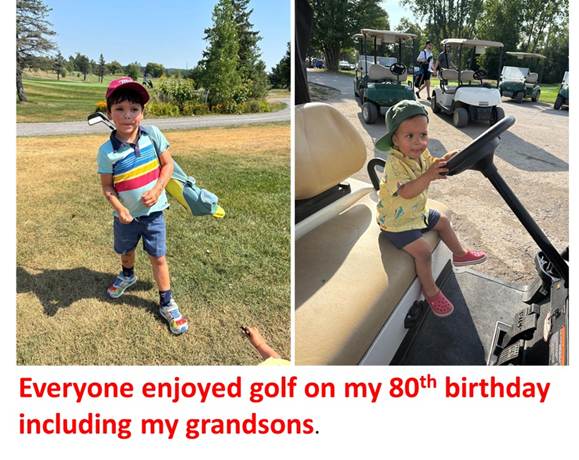
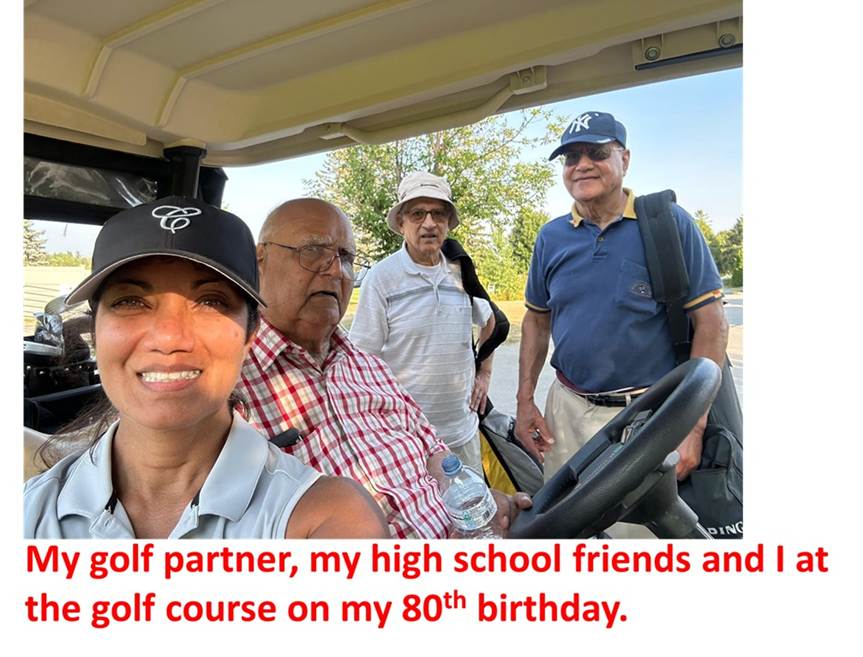
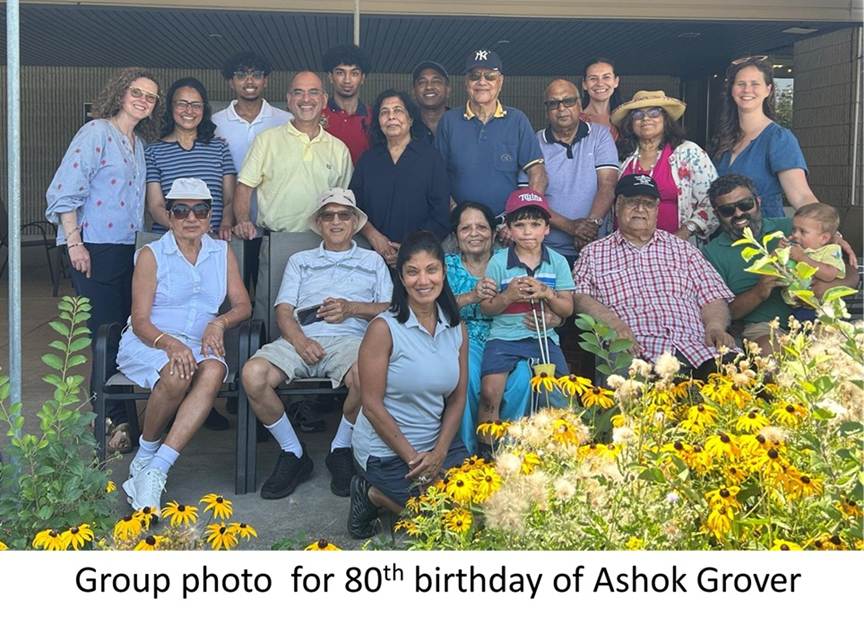
The annual lab golf game tradition started for my birthday in 1995 continued for 25 years. Covid 19 and our move to Ottawa killed this tradition for 2021 onwards. I stopped going to a golf course but put a net in our driveway making my own driving range. It was decided that we should celebrate my 80th birthday with a golf game. The student who had started this tradition in 1995 was excited. My two high school classmates, several students from McMaster, family and local friends participated. We all enjoyed the day. Watch the video (https://www.youtube.com/watch?v=it7PB1_YfM0&t=2s). There are rumours that the celebration will be repeated on the next birthday. I will let you know if it happens.

 Math Stories For You